

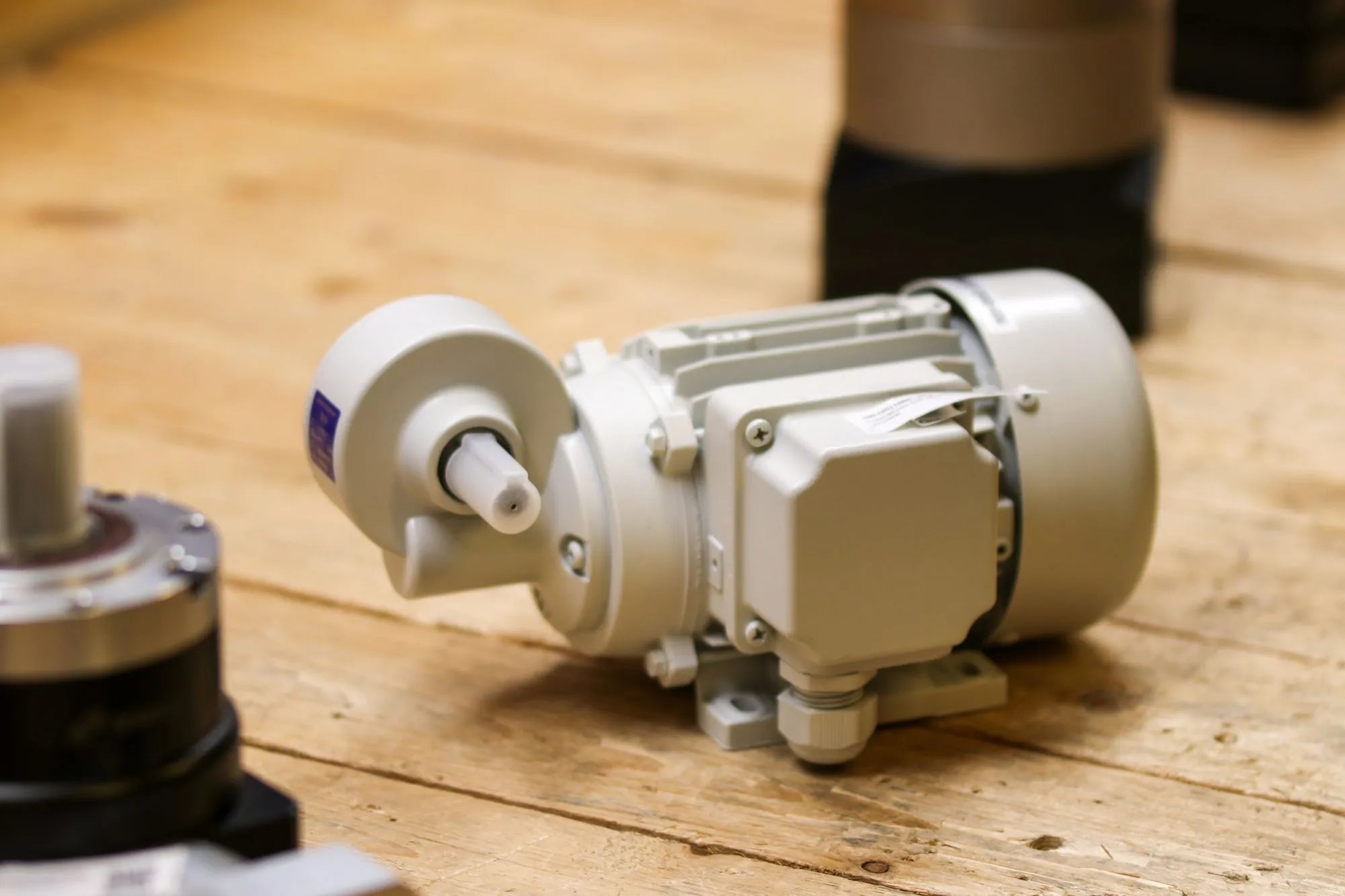
A rewind is a serial number, a frame size and a history
The job screen was drawn around this work — manufacturer, model, serial, voltage, RPM, and every time that unit has been through the shop before.
What actually happens, and where it lands
- A unit arrives on a pallet
Nameplate photographed, manufacturer and frame typed once, serial checked against what you have seen before. If it has been here, the last visit is already on the screen.
- It goes on the bench
Strip notes and photographs go onto the job as the work happens, not onto a docket that gets oily and then gets lost.
- The customer wants a number
The quote is built from the job, with the parts and hours already on it. Accept it and the job carries on — there is no second document to keep in step.
- It goes back out
Service order out as a branded PDF, filed against the customer, and the whole thing waiting there when the same motor comes back in eighteen months.
Three things that are different here
The equipment carries the history, not the visit
Most systems file work by date. A shop thinks in units: this motor, this pump, this drive. Everything hangs off the equipment record, so three rebuilds over five years read as one story rather than three unrelated jobs.
Two shops, and numbering that cannot collide
Job numbers are issued per location. Two counters booking work in at the same moment cannot hand out the same number — the thing that quietly corrupts a shared spreadsheet.
The mechanics do not see the margin
Prices are blanked in the database before they are sent, not hidden on screen. The bench sees the work; the office sees the money.
Where to look next
What it would not do for you
It does not invoice. The service order and the quote come out as PDFs with the parts and hours on them; what you raise the invoice in is yours to keep.
See it with your own work in it
Half an hour, screen shared, with a couple of your real jobs typed in first. Tell us what you do and a few times that suit you this week.